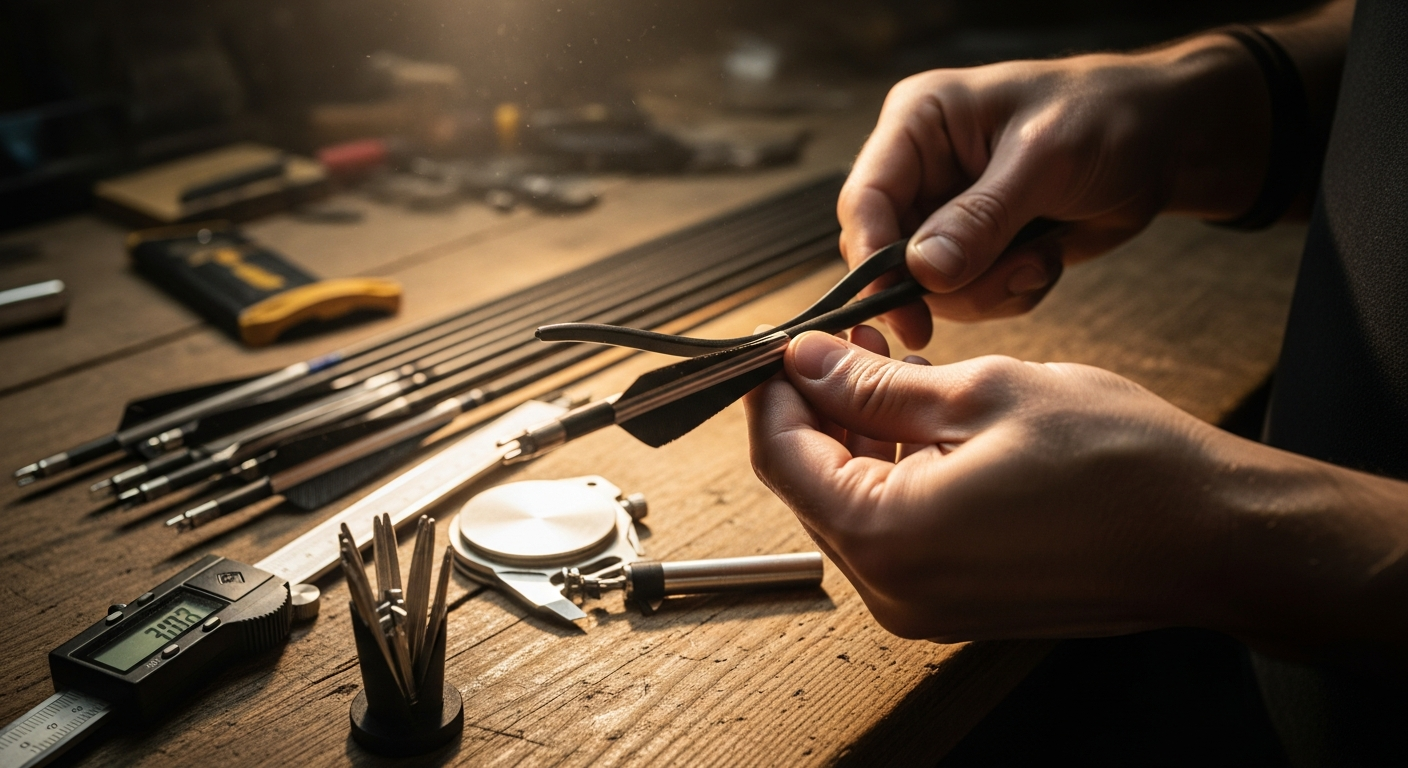
Compound vs. Recurve: Which Bow is Right for You?
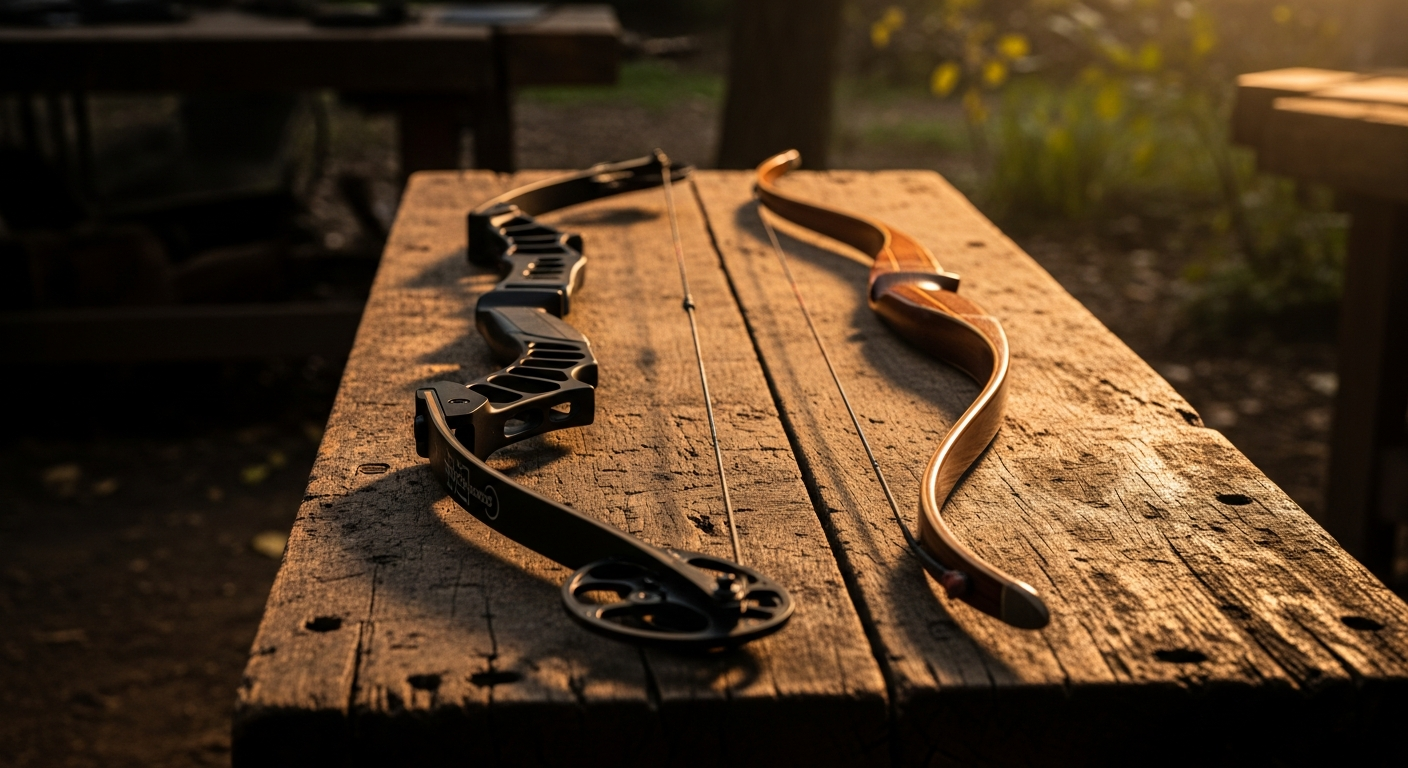
The Compound Advantage
Compound bows use a cam-and-cable system that provides "let-off" — reducing the holding weight at full draw by 70-85%. This means if your bow is set to 70 lbs, you're only holding 10-20 lbs at full draw, allowing you to aim steadily for longer periods.
Best for: Hunters who need maximum accuracy at longer distances, archers with shoulder issues who benefit from let-off, and anyone who wants to attach modern accessories like sights and releases.
The Recurve Advantage
Recurve bows offer simplicity, lighter weight, and a direct connection to traditional archery. There are no cams, cables, or mechanical parts to maintain. Many Olympic archers and traditional enthusiasts prefer the challenge and satisfaction of shooting recurve.
Best for: Traditional archery enthusiasts, Olympic-style competitors, archers who value simplicity and portability, and those who enjoy the instinctive shooting challenge.
Key Decision Factors
- Budget: Entry-level recurves start around $100-200; compounds start around $300-500 for quality setups
- Maintenance: Recurves need minimal maintenance; compounds require periodic cam timing and string replacement
- Learning Curve: Compounds are generally easier to shoot accurately; recurves require more practice for consistency
- Hunting: Compounds dominate modern bowhunting; recurves are legal everywhere but require closer shot opportunities
Our Recommendation
If you're primarily interested in hunting or want to progress quickly in accuracy, start with a compound. If you're drawn to traditional archery, enjoy simplicity, or want to compete in Olympic-style events, go with a recurve. Either way, the best bow is the one you'll enjoy shooting.