Beginner's Complete Guide to Archery Equipment
Choosing Your First Bow
The first decision every new archer faces: which type of bow? For most beginners, we recommend either a compound bow or a takedown recurve bow.
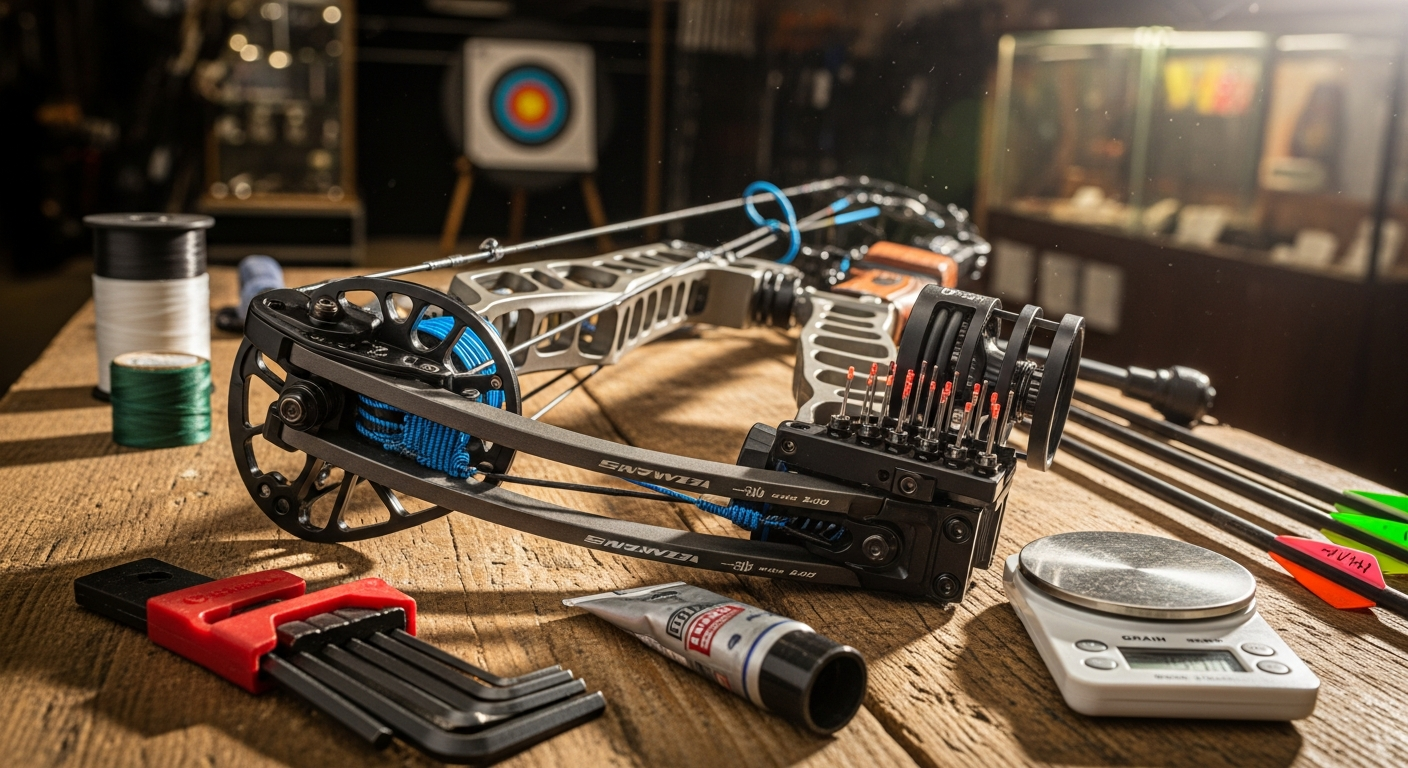
Compound bows are easier to hold at full draw (thanks to let-off) and more forgiving of form errors. They're the best choice if you plan to hunt or want to progress in accuracy quickly. Budget $400-800 for a quality setup with accessories.
Recurve bows are simpler, lighter, and teach fundamentals that transfer to any bow type. They're the best choice for traditional archery and Olympic-style shooting. Budget $150-400 for a good ILF setup.
Essential Accessories
For Compound Shooters
- Sight: A multi-pin sight ($50-300) lets you aim precisely at different distances
- Arrow Rest: A drop-away or whisker biscuit ($30-200) supports your arrow before the shot
- Release Aid: A wrist-strap release ($30-80) gives a clean, consistent trigger release
- Stabilizer: Even a short 6" stabilizer ($30-100) reduces vibration and balances your bow
For Recurve Shooters
- Arm Guard: Protects your forearm from string slap ($10-25)
- Finger Tab or Glove: Protects your fingers and ensures a smooth release ($10-50)
- Bow Stringer: The safe way to string and unstring your recurve ($10-15)
Choosing Arrows
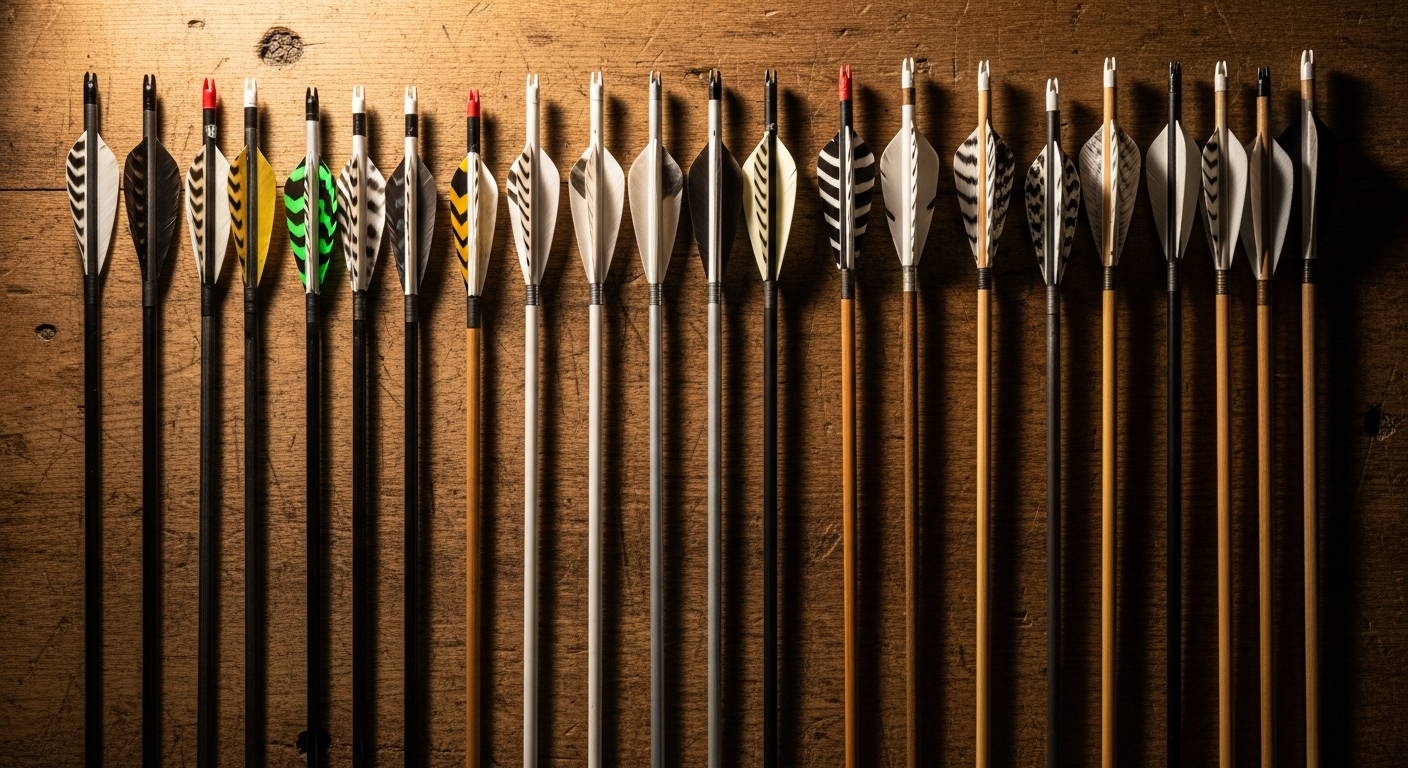
The most important factor in arrow selection is spine — the stiffness of the shaft. Arrows must match your bow's draw weight and your draw length. Use the manufacturer's spine chart or visit your local pro shop. For beginners, we recommend starting with mid-range carbon arrows ($8-15 per arrow) rather than the cheapest or most expensive options.
Where to Start
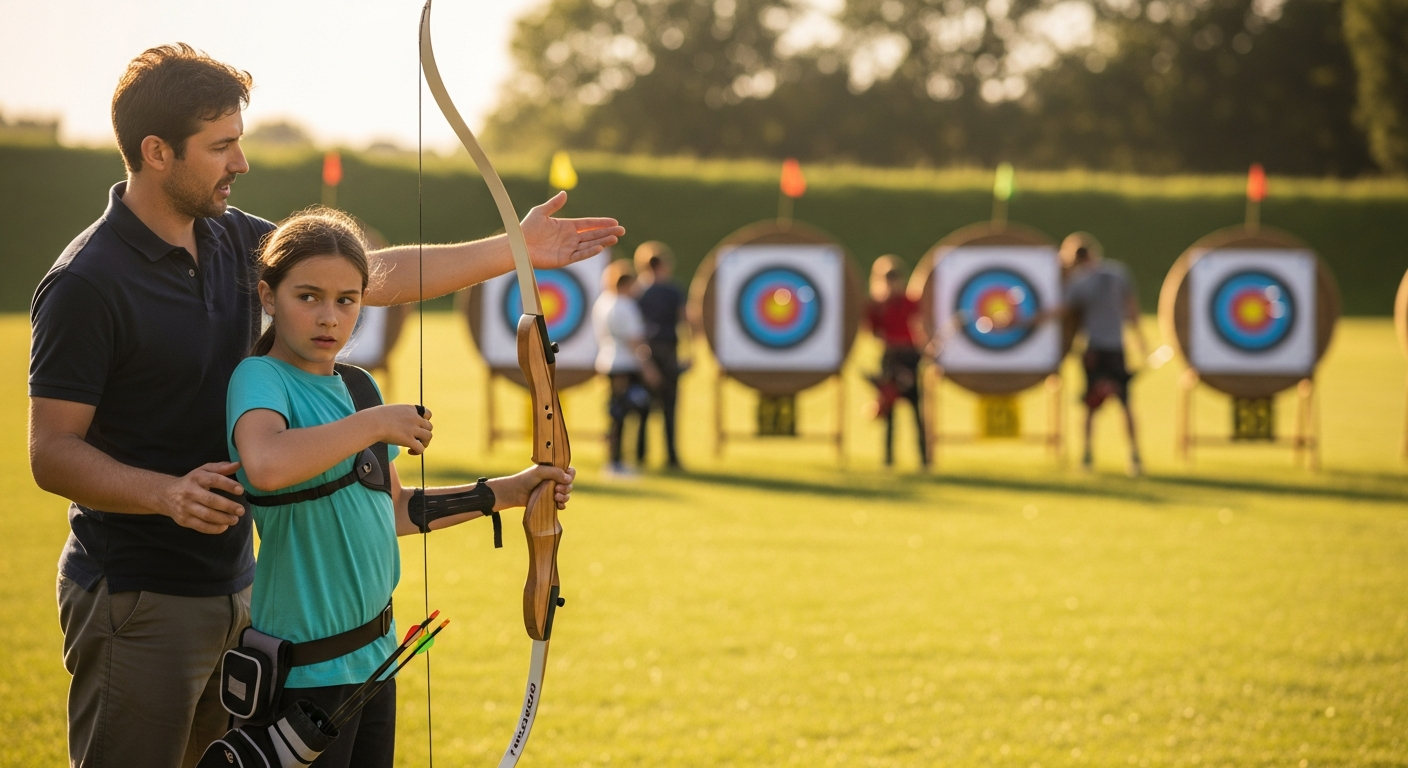
We recommend taking a beginner lesson or visiting a local archery range before buying equipment. Most pro shops offer introductory packages that include a lesson with equipment use. This lets you try different bow types and get properly fitted before investing.