How to Choose a Compound Bow
Step 1: Determine Your Draw Length
Draw length is the most critical measurement for a compound bow. A bow that's too long or too short for your draw length will be uncomfortable and inaccurate. The easiest method: stand with arms outstretched, measure fingertip to fingertip in inches, and divide by 2.5. For example: 70" wingspan ÷ 2.5 = 28" draw length.
Step 2: Choose the Right Draw Weight
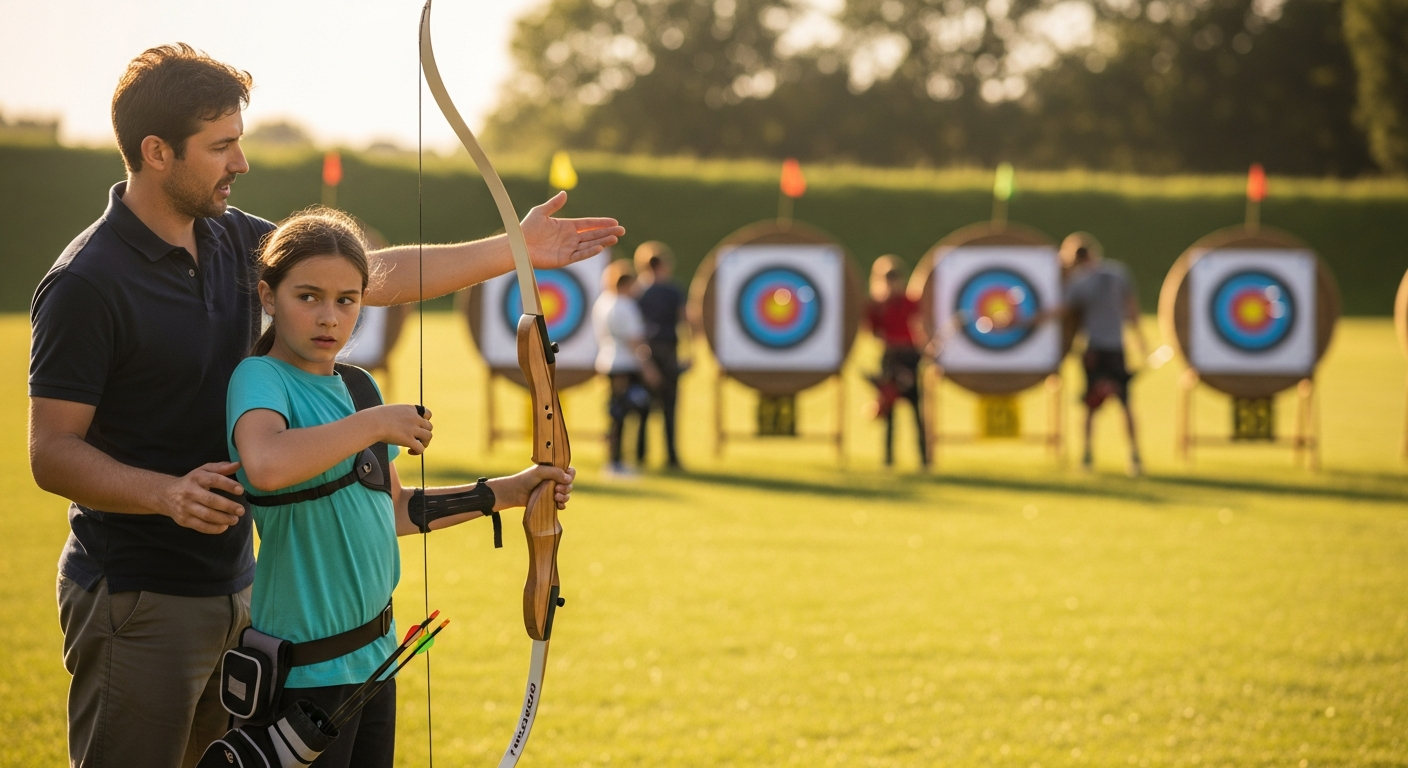
Don't ego-lift. You should be able to draw your bow smoothly while seated — if you have to skyward-draw or heave, it's too heavy.
- Youth/Small Adults: 30-40 lbs
- Average Adults: 50-60 lbs
- Experienced Hunters: 60-70 lbs
- Target/3D: 40-55 lbs (accuracy over power)
Step 3: Understand Axle-to-Axle Length
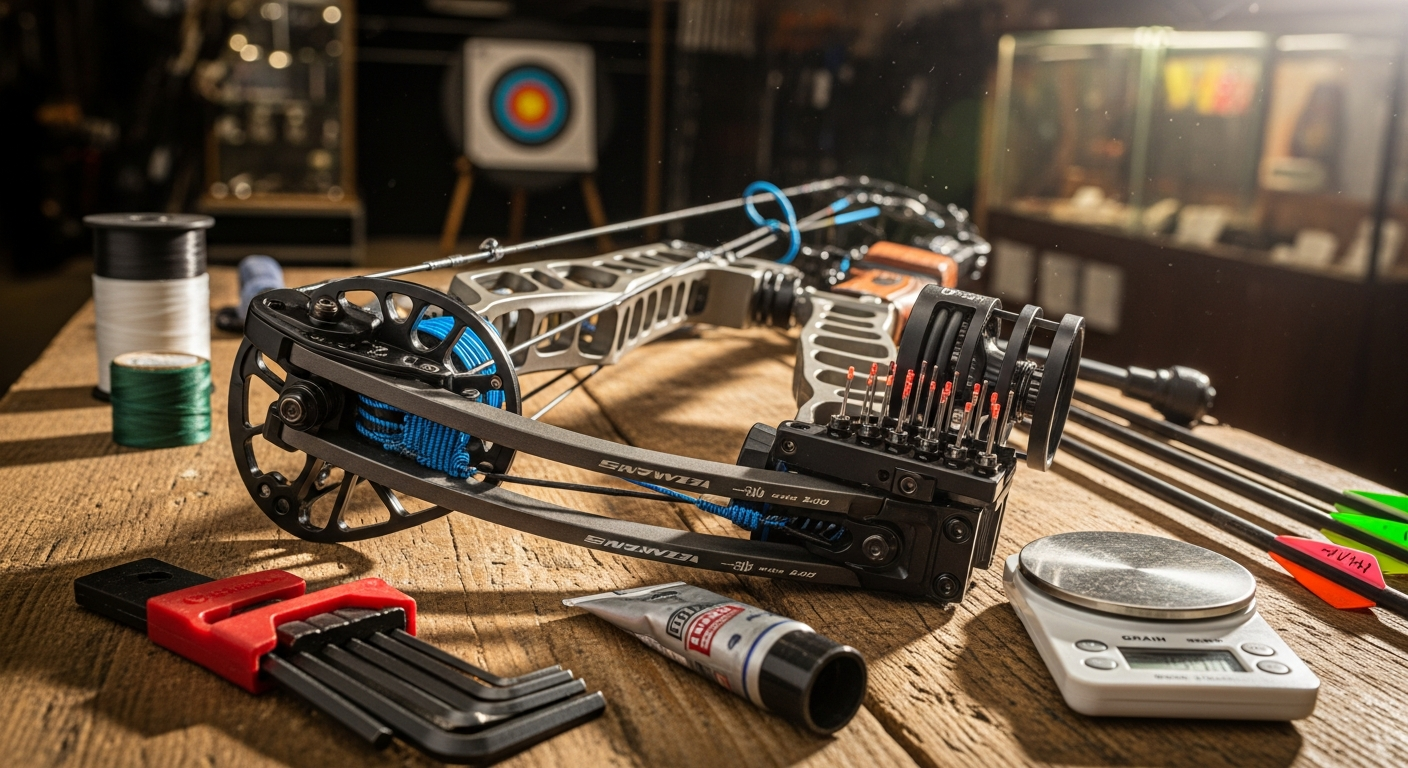
Axle-to-axle (ATA) length is the distance between the axles where the cams sit. Shorter bows (28-32") are more maneuverable in treestands and ground blinds. Longer bows (33-36") are more forgiving and stable, making them better for open-country hunting and target shooting.
Step 4: Consider Brace Height
Brace height is the distance from the grip to the string at rest. Shorter brace heights (5-6") generate more speed but are less forgiving. Taller brace heights (7"+) are more forgiving but slower. For beginners and hunters, 6-7" is the sweet spot.
Step 5: Set Your Budget
- $300-500: Entry-level bows — good for beginners and casual shooters
- $500-900: Mid-range — excellent performance for serious hunters and target archers
- $900-1500+: Flagship bows — cutting-edge technology and the smoothest shooting experience
Our Top Picks by Budget
Check our Best Selling Bows and Bow Packages collections for curated recommendations at every price point.